


Specific or complex project ahead? Get in touch for a free, fast quote.
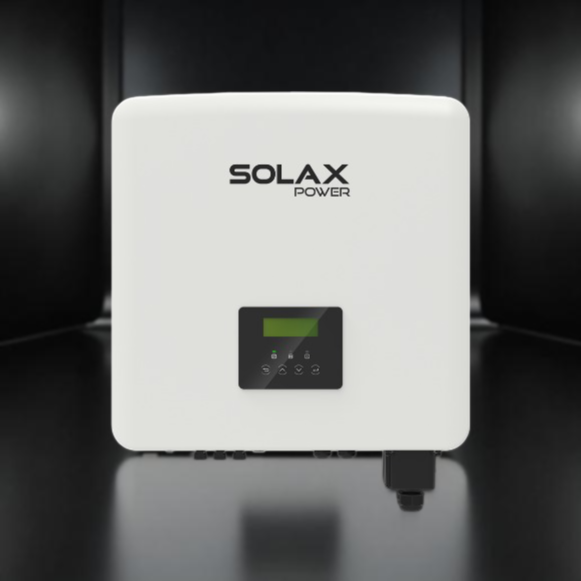
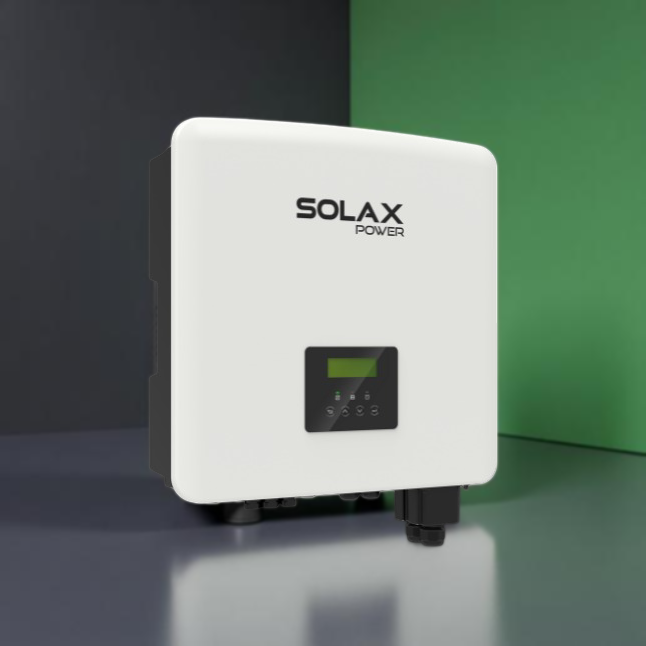
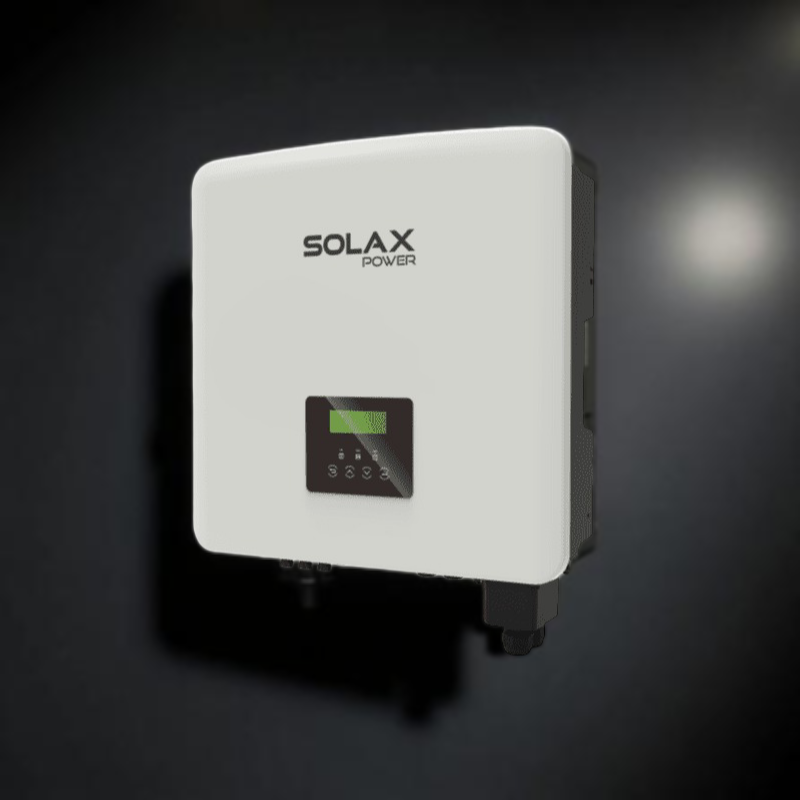
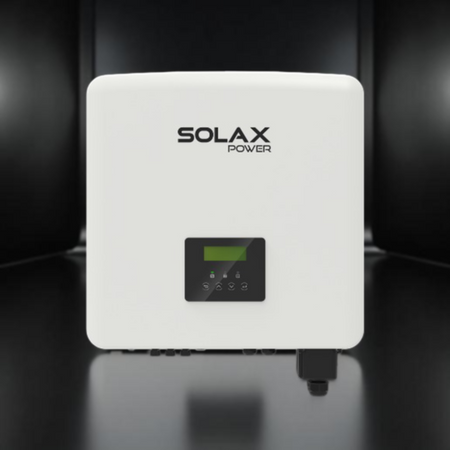
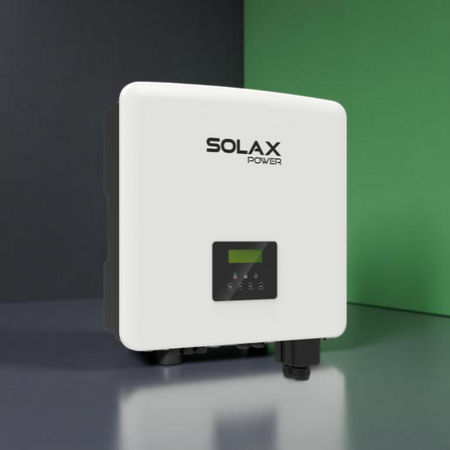
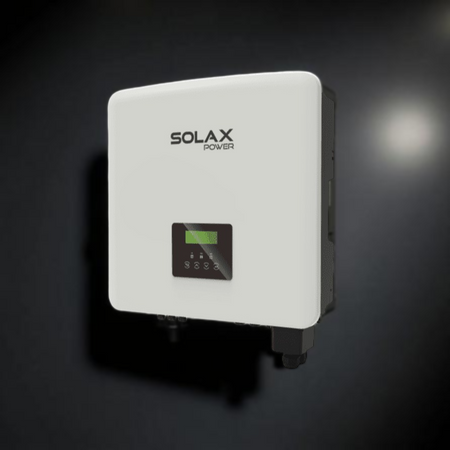


SolaX X3 Hybrid G4 8-15kW Three Phase Inverter | X3-HYBRID-G4
Regular price
£2,350.00
Inc. VAT
£1,958.33
Exc. VAT
FREE Express Delivery (1-3 days) in UK Mainland on most orders*
Excluding: Solar Panels (£170 delivery / free above £2,500), Batteries (£39 delivery), Small Items (£4.95/5.95 delivery / free above £500)
Contact Us to check for Next Working Day Delivery or Same-day Delivery options
Contact Us for Click & Collect options
Custom quote available on request
*See checkout or shipping policy for full details
Payment options
Tools & Kits
Build your kit
Need a full system?
Design your complete solution in minutes with our kit builders.
Do you have a question
about this product?
One of our expert advisors will be happy to help you!
Contact Us
The SolaX X3 Hybrid G4 is a three-phase hybrid inverter that combines solar PV conversion and high-voltage battery storage control in one unit. It is supplied here in 8 kW, 10 kW, 12 kW and 15 kW ratings for larger homes and light commercial premises.
It offers 200% PV oversizing, up to 110% AC output, up to 97.5% charging and discharging efficiency and three-phase unbalanced output of up to 5 kW per phase. EPS backup switches over in under 10 ms, and up to 200% EPS overload output for 10 seconds (varies by model) helps start heavy loads.
A 120–800 V battery input, smart load management for heat pumps and EV chargers, and on- and off-grid parallel operation up to 150 kW make the X3 Hybrid G4 ready for demanding installations, protected to IP65 with Type II SPD on both AC and DC sides.
200%
PV oversizing
97.5%
Charge / discharge efficiency
120–800 V
Battery voltage range
<10 ms
EPS switchover
150 kW
On / off-grid parallel
IP65
Ingress protection
Installation and grid connection: Must be installed by a qualified, competent person in line with BS 7671 and the manufacturer's manual. Based on the rated output current per phase, the 8 kW and 10 kW ratings fall under G98 (16 A per phase or less), while the 12 kW and 15 kW ratings exceed 16 A per phase and need a G99 application before installation.
Battery pairing: SolaX states the inverter is compatible with a minimum of 3 units of HS25 / HS36 batteries. If the total voltage of those 3 batteries is below 127 V and there is no PV input, the system will not start up.
EPS overload varies by rating: SolaX states that overload capabilities vary by model. Confirm your peak backup load requirement against the manufacturer's specification for your chosen rating.
High-power panel support: SolaX rates the range for up to 28 A input per MPPT for high-power solar panels. The exact MPPT arrangement depends on the rating, so confirm the string layout against the manufacturer's installation manual.
Key features
200% PV oversizing
Up to 200% PV oversizing and up to 110% AC output, with two MPPT trackers, a wide 180–950 V MPPT range and a global MPP scan for optimal harvest.
Three-phase unbalanced output
Three-phase unbalanced output supports uneven loading, with a maximum of 5 kW per phase.
UPS-level backup
Switchover in under 10 ms with up to 200% EPS overload output for 10 seconds (varies by model) to ride through grid outages.
High-voltage battery input
Works with lithium and lead-acid batteries across 120–800 V, with 30 A continuous charge and discharge current and up to 97.5% charge and discharge efficiency.
Smart loads and grid services
Smart load management for heat pumps and smart EV chargers, intelligent time-of-use energy management and VPP ready for ancillary services.
Scalable and protected
On- and off-grid parallel operation up to 150 kW, IP65, -35 to +60°C operation and Type II SPD on AC and DC sides. Quick set-up with a U-disk.
Technical specifications
Model range
Frequently asked questions
BTU & WATT Calculator
Room Dimensions
Room Type
Living Room
Bedroom
Kitchen
Bathroom
Conservatory
Hallway
Glazing Type
Single Glazed
Double Glazed
Triple Glazed
External Walls
0 Wall
1 Wall
2 Walls
3 Walls
4 Walls
Insulation Level
Poor
Average
Good (New Build)
Required Heating
0
Watts
0
BTUs
Tools & Kits
Build your kit
Need a full system?
Design your complete solution in minutes with our kit builders.
Do you have a question
about this product?
One of our expert advisors will be happy to help you!
Contact Us