Pipe insulation is one of the most cost-effective and straightforward ways to improve the efficiency of a central heating system and protect it against damage. Uninsulated flow and return pipes lose heat as they pass through unheated spaces — lofts, garages, underfloor voids, external walls, and cupboards — forcing the boiler to work harder and longer to maintain system temperature. In colder months, exposed pipework in vulnerable locations is also at serious risk of freezing, which can split pipes, flood properties, and cause thousands of pounds of damage. Neither problem is difficult or expensive to prevent with the right insulation fitted correctly.
This collection covers the main categories of pipe insulation used in domestic and light commercial central heating systems — foam lagging, felt pipe wrap, and frost protection products — suitable for flow and return pipes, cold feeds, condensate drainage lines, and any exposed pipework that needs protection from heat loss or freezing temperatures.
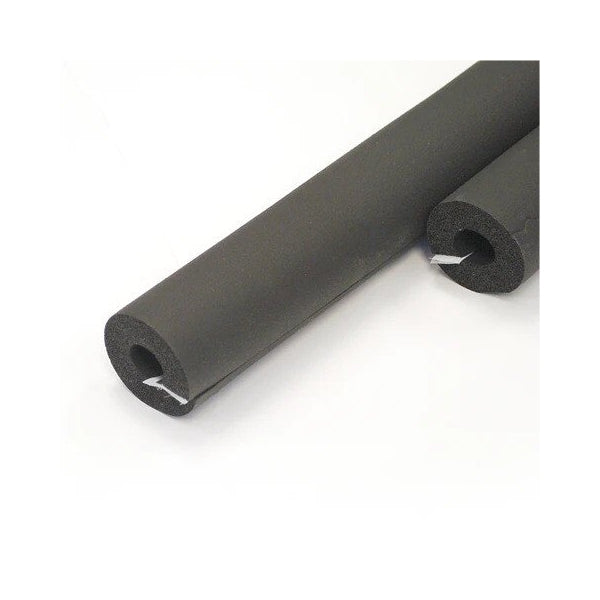
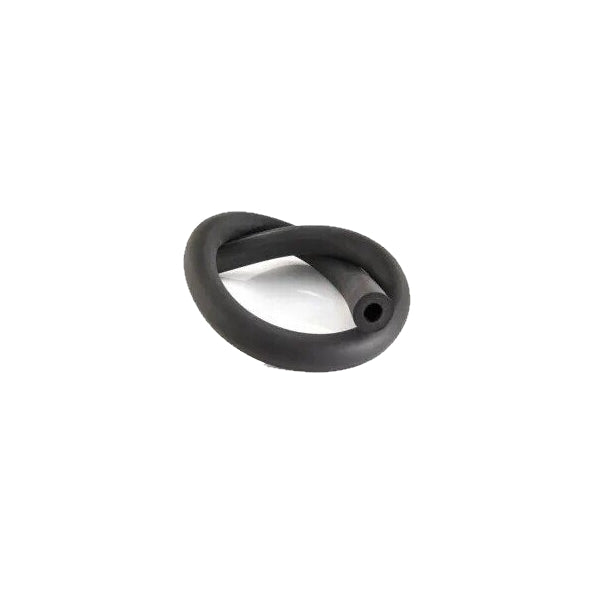
Armacell Tubolit — Foam Pipe Lagging for Central Heating
Armacell are one of the most recognised names in pipe insulation globally, and their Tubolit range is a staple on UK heating installations. Tubolit is a pre-slit, closed-cell polyethylene foam insulation tube that simply clips around the pipe and can be fixed with adhesive or tape. It is lightweight, easy to cut and fit, and available in a wide range of internal diameters and wall thicknesses to suit standard copper and plastic pipe sizes from 15mm through to larger bore pipework.
Closed-cell foam insulation like Tubolit provides good thermal performance for central heating applications, resisting both heat loss on flow and return pipes and condensation on cold pipes such as cold feeds and expansion pipes. It is the most widely used type of pipe insulation in domestic heating installations and is suitable for use in lofts, airing cupboards, underfloor voids, and any internal unheated space. Armacell Tubolit is also compliant with Part L of the Building Regulations requirements for pipe insulation on primary circulation pipework, making it the correct choice where regulatory compliance is a consideration.
Topsleeve Felt Pipe Insulation — Traditional Wrap for Exposed Pipework
Felt pipe insulation — commonly known as pipe wrap — is a traditional and highly effective solution for insulating larger bore pipework, awkward runs, and pipes that are difficult to access with rigid pre-formed foam sections. Topsleeve felt lagging wraps around the pipe and is secured in place, conforming to bends, joints, and fittings more easily than pre-slit foam tube. It provides good thermal protection and is particularly well suited to pipework in loft spaces, where ease of installation around existing obstacles is often a priority.
Felt pipe wrap is also commonly used to provide additional protection on top of existing insulation where a secondary layer is needed, or on valves, stopcocks, and connection points where pre-formed sections cannot be used without cutting and rejoining.
Frost Protection — Protecting Vulnerable Pipework in Cold Conditions
Frozen pipes are one of the most common and preventable causes of water damage in UK properties. Any pipework passing through an unheated loft, external wall, outbuilding, or exposed location is at risk during prolonged cold spells — and condensate drain pipes from boilers and heat pumps are particularly vulnerable, as a frozen condensate pipe will shut the boiler down entirely until it thaws.
Frost protection products in this category include thicker-walled foam insulation for high-risk locations, pipe wrap designed specifically for external and semi-exposed applications, and insulation for cold water tanks and stopcocks in loft spaces. For the highest-risk situations — particularly exposed outdoor pipework or pipework in outbuildings that cannot be drained down in winter — frost protection insulation should be used in combination with a frost thermostat or trace heating cable for complete protection.
Choosing the Right Insulation — Key Considerations
The right product depends on the pipe size, the type of pipe (flow/return, cold feed, condensate), the location (internal unheated space, loft, external), and whether the primary concern is heat loss or frost protection. As a general guide, the thicker the insulation wall relative to the pipe diameter, the better the thermal performance — 25mm wall thickness is significantly more effective than 9mm on a 15mm pipe, particularly in cold loft spaces. For condensate pipes from boilers and heat pumps, a minimum of 25mm wall thickness is widely recommended in exposed locations.
Browse our full range of central heating pipe insulation below, or contact our team for help selecting the right product for your pipe sizes and installation.